


服务
哈珀的减税是否使加国正面临金融危机?
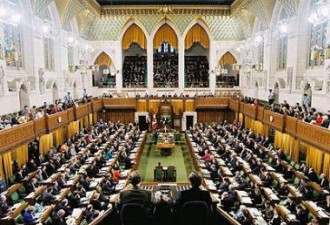
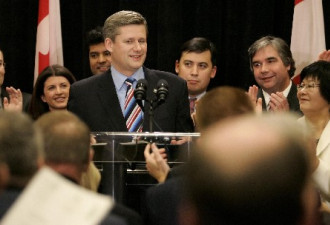
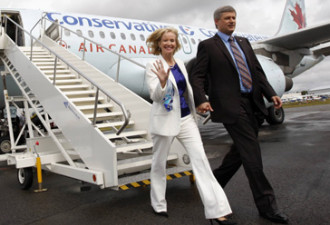
加拿大大选在即,最新的民意测验表明,保守党的支持率遥遥领先,哈勃只差一步之遥,就可以稳坐下议院多数党首领,从而不费吹灰之力,在下届国会中通过他的给大公司减税的议案,实现他对这些支持者的承诺。但或许连哈勃本人都没意识到这一减税方案将使加拿大有可能成为下一个金融危机的受害国。
八年前,布什以给大公司减税为由头,高调当选美国总统。上台后,他履行了对竞选赞助人的承诺,采用了一系列的减税法案。老百姓误以为减税,有利于分配,会刺激消费,一时间欢欣鼓舞。可谁想到,像安龙,世界通等,这样的巨型公司,利用减税的机会,为了给大股东和少数高层管理者税后多分得受益,拼命提升企业账面利润,不惜裁员,做假账,来过度反映企业效益。最后,大公司没有因为企业减税,扩大营业额,却出现了罕见的员工下岗,就业率下降。这为今天美国殃及全球的金融危机埋下了祸根。
其实,从会计学的角度来讲,给公司减税,无非是给股东一次分红的机会,而分红只能看企业的账面利润,账面利润越多,减税获得的利益就越大。但对企业来说,扩大利润的途径,不外乎有两种:一是增加投入,扩大企业规模,从而获得规模效应;反之,就是减少投入,减员增效。不过,这两种截然不同的企业选择,完全取决于政府的财政政策。如果对企业增收所得税,企业就必须把利润消化在成本中,必然增员,增加对企业投入,从而使全社会呈现出繁荣昌盛的景象。在这种条件下,社会消费会大增,房地产业蒸蒸日上,中底层的老百姓也开始考虑通过一贷,甚至次贷投资房产。本来,次贷就是一种金融延伸产品,并不会造成金融危机,只要政府的政策导向保持企业不断增加投资,雇员有持续的收入,次贷危机是完全可以避免的。
不幸的是,布什政府为了兑现竞选时对大公司的承诺,缺乏远见地采用了给大公司减税的政策。对此,大公司本能地选择了裁员增效的策略。无论从哪个意义上来讲,减税对大股东,集团总裁们都是有利的选择。原先辛辛苦苦几十年的付出,终于有了兑现的机会,现在不撤出,更待何时。于是,出现了伴随企业倒闭的失业潮。大量员工失去了工作,不要说按揭买房,连肚皮都不保。这样全社会的消费能力开始下降,对基本需求进一步减少,慢慢开始波及经济的其他领域,从而引发恶性循环,次贷危机成为不可避免的事。
可能有人会提出质疑,既然大老板们从减税中获得了受益,他们对消费的投入肯定会增加,两者应该是相抵的。其实,这只是一般意义上的看法。从经济学角度来讲,收入增加,意味着边际消费递减。说的更简单一点,当你一年有4万块收入时,可能必须全部用于家庭消费,也就是说,你的消费占了你收入的百分之百。但当你有了十万块收入时,也许你只需要花掉5万块,这时你的消费支出只占了你收入的50%。这样,你的收入越多,你的消费支出的比例却相对减少。当社会极少数人的收入急剧增加的同时,大多数中下层民众的收入大幅度减少,这样的结果必然导致社会总需求的下降。
可惜的是很多保守党的支持者并没有看到问题的严重性,如果保守党果成为国会多数党,可能未来的五年内,下一个金融危机的发生地就是加拿大。

Mulroney 历年的赤字
88-89: 287 亿
89-90: 289 亿
90-91: 320 亿
91-92: 343 亿
92-93: 410 亿
Mulroney 84年上台, 连任两届, 联邦欠债由2079亿猛增至4661亿, 欠债增长125%。
84-93联邦欠债
84-85: 2079 亿
85-86: 2425 亿
86-87: 2733 亿
87-88: 3011 亿
88-89: 3298 亿
89-90: 3588 亿
90-91: 3908 亿
91-92: 4251 亿
92-93: 4661 亿
回复
1993年联邦自由党上台, 继承的是保守党430亿的财政赤字:
When Chretien took office in 1993, he inherited a $43-billion deficit left by the Conservative government of Brian Mulroney. By the time he retired in 2003, the deficit had been eliminated and the federal government was awash in huge annual surpluses.
2003年, 安省自由党上台, 上台后查帐才发现继承的是保守党55亿的财政赤字:
In the 2003 election that brought him to power, McGuinty promised to balance the budget every year.
The Liberals backed off that commitment when a report revealed that they had inherited a $5.5 billion deficit from the previous Conservative government.
回复
你要说明什么呢? GST是Mulroney发明的和“排除万难”实施的, 难到你要怪自由党上台为什么没废除吗? 有点本末倒置哦!
The Canadian Goods and Services Tax (GST) (French: Taxe sur les produits et services, TPS) is a multi-level value-added tax introduced in Canada on January 1, 1991, by Prime Minister Brian Mulroney and finance minister Michael Wilson.
In 1989, the Progressive Conservative government of Prime Minister Brian Mulroney proposed the creation of a national sales tax of 9%. At this time, every province in Canada except Alberta already had its own provincial sales tax imposed at the retail level.
The Liberal-dominated Senate refused to pass the tax into law. In an unprecedented move to break the deadlock, Mulroney used a little-known constitutional provision to increase the number of senators by eight temporarily, thus giving the Progressive Conservatives a majority in the upper chamber. In response, the Opposition launched a filibuster and further delayed the legislation.
Liberal Governments and the GST
回复

Reducing the GST’s Rate of Taxation
The GST again became an important political issue in the 2006 federal election. The Conservative Party, led by Stephen Harper, promised to reduce taxes by lowering the GST from seven to six percent. The incumbent Liberals, in contrast, supported keeping the GST at seven percent, and lowering income taxes instead. Following the election, the new Conservative government included the GST cut in its first budget; the reduction came into effect in July 2006.
The reduction of the GST has received both support and criticism. On the one hand, consumers benefit from the lower GST, as the cost of purchasing goods and services has decreased, albeit by a small amount. Consumers, therefore, should be able to purchase more with their money. Some critics, however, have regarded the tax cut unfavourably, arguing that it makes little real difference to the average Canadian. They also suggest that, if the Conservative government is serious about lower Canadian tax burdens, the focus should be on reducing personal income taxes and not sales taxes. Others have suggested that the reduction in GST is an unfair tax cut, as it benefits higher-income individuals and families more than lower-income ones. Their basic premise is that actual savings depends on how much one spends to begin with; accordingly, those that spend more on goods and services will save more money, in absolute terms, than those that spend less.
回复
上一次联邦和安省保守党当政, 留下的都是赤字, 发明了GST还是填不平赤字, 事实已经说明了问题了, 可笑还有人拿保守的经济来担纲, 无知!无知!
Liberal Governments and the GST
As part of its pre-election campaign in 1993, the Liberal Party of Canada released its Red Book — a document that spelled out what a Liberal government would do once elected. One of the Party’s key pledges was to replace the GST “with a system that generates equivalent revenues, is fairer to consumers and to small business, and promotes federal-provincial fiscal cooperation and harmonization.” In that election, the Liberals won a majority government, electing 177 members to the House of Commons on October 25th.
Once in office, however, the Liberal government failed to deliver on its election promise. Part of the issue was the federal government’s difficult financial position, with its high annual deficits and accumulating debt load. Moreover, the GST had become an important source of government revenues, totaling in the tens of billions annually. The Liberal government decided to keep the GST, a decision that posed some political difficulties. Liberal Member of Parliament John Nunziata voted against his government’s first budget in protest and was later expelled from the Liberal caucus for doing so. Liberal MP Sheila Copps, then Deputy Minister and Minister of the Environment, had vowed to give up her seat if the Liberals did not eliminate the GST. In 1996, she honoured her pledge and resigned from Parliament, only to be re-elected in a subsequent by-election for her riding.
回复

真的要减税? 俺肯定要投保守党!
回复
查看全部 32 条评论
查看全部 32 条评论

![[集市好物]2026 BMW 3 Series](https://storage.51yun.ca/auto-car-photos/30a6be14-a857-4ff4-9497-222f642cd37f.380x166.jpg)

网友评论