


服务
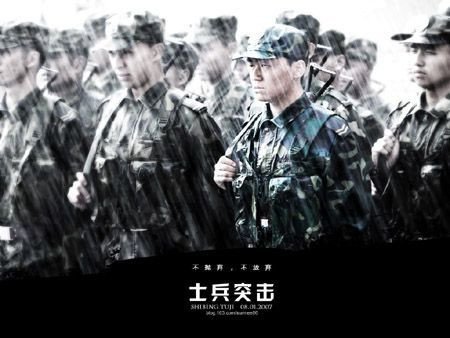
大陆剧"士兵突击"令台汗颜 感慨落后不少
台《联合晚报》11月4日报道,台“国防部”投资4亿多元在全岛10处新兵训练中心营舍装冷气空调系统,引起了一些民意代表的强烈不满。民意代表们批评这是宠坏新兵的做法,会使得台军“少爷兵”们更加娇贵。
其实,台军“少爷兵”的“事迹”不胜枚举,以至于台军方内部有些人士最近看了大陆拍的电视剧《士兵突击》之后感慨,“如果这些剧情没有夸大,感觉我们真的落后他们不少。”
大陆电视剧引发台军反思
台军新兵养尊处优早已“名声在外”。有一次,一台军士兵用餐时望着一颗番石榴哭泣。经询问,这位新兵哭诉说,家里的番石榴都是切好一片一片,去掉番石榴籽的,而军中的是完整一颗,不知道要怎么吃。日前还传出有新兵为了逃避期末技能检测,竟服用过量的止痛药而被紧急送医,差点小命不保。

相关视频:http://v.backchina.com/search.php?s...o_date_uploaded
面对频发的逃亡、自杀丑闻,台军方只好不断降低军事训练的标准,俯卧撑基数由80个降到30个,新兵轻装跑19分钟跑到3公里就算及格。相比之下,解放军新兵19分钟的标准是要全副武装跑5公里,不难看出台军体能标准比解放军差了一大截。
以前台军规定新兵训练即使是正午,要你出操就出操,不得有异议;而现今只要气温超过了32℃,新兵就可以正大光明地休息。这次还为新军训练营安装冷气系统,“舒适度一点都不比家里差”。这样的方式训练出来的兵,素质可想而知。
另据台湾媒体报道,有位在大陆做生意的台商看过另一部热播电视剧《亮剑》之后非常感动,就买了该剧的DVD带回台湾给他的父亲——一位“国军”退役将军看,结果他父亲看完后也同样感动得不行。这名台商说,他们全家都很喜欢李云龙这个人物,对解放军刚毅的战斗精神也尤为敬佩。这与当今台媒体披露台军士兵的娇气,形成鲜明的对比。
台军通过电视剧研究解放军
近一段时间以来,大陆有很多军事题材的电视剧热播。感慨之余,这些军事题材的电视剧,也成了台军“了解”大陆军事建设的另类渠道。据悉,台军就对内地播出的一部名为《秘密潜入》的电视片进行过认真研究。据台湾媒体报道,《秘密潜入》详细描述了部队以空降方式深入敌区,并趁夜入侵要塞、袭杀特定人员的情结。对“斩首战”深感疑惧的台湾军方,把它作为研究对付大陆“斩首战”的“教材”,立即组织相关单位人员进行研究判断,试图从中找到破绽和反制的方法。
除这部电视剧之外,像《DA师》、《突出重围》这类军事题材的大陆电视剧,台军“统统都不放过”。对于这种通过电视剧来了解军事机密的作法,有关军事专家指出,台军完全是在自欺欺人,给自己打气。
众所周知,任何一支军队的秘密战术战法,绝对不可能在公开播映的电视片中展示出来。即使有些涉及这方面的画面,也会被精心地加以处理。所以,想以此获取大陆的军事秘密,对台军来说,无异于痴人说梦。

人要是能把电视连续剧当作现实。OMG,火星人哪,我可算看到你了。地球太危险了,你们回火星去吧。
回复

这是历史的事实, 咋就被你"说白了" 变成了"美苏"之间的战争了呢?
我说的是美苏之间的斗战,没说是战斗😁
说白了韩战是美苏在斗,而中国只是当炮灰而已.毛当然知道这点,所以后来就为中国向苏提很多要求.中苏相互的期望和要求不一至,又都不让,也就只好分列了. 美苏仍在不停地斗,后来为了中国的自身利益,又仗着美国斗苏修了.到了今天,自身强壮了许多,有资格玩点三脚战略了.这方面中共是很实际的,所以也就很有成果.要是在国际上玩国内的那套假大空...
回复
最初由 hack 发布:
这为老兄还在那包着寒颤不放.你老多大岁数了?你不理解什么是指数级的发展? 知道技术发展的速度早把3, 40年前的东西(思想和设备)都扫进垃圾桶了.
要比勇敢,自卫的决心, 阿富汗人,伊拉克人等比美国人(联合国军人)勇敢不知多少倍. 但要比战略战术,设备武器,就没法比了.线在什么状况也是明显的.现在的社会是丛林原理. 野牛再强也没法吃掉老虎,虽然有时候老虎面对野牛也得让一让.
你还韩战呢,要不是当时的苏联支持,放一百个胆给毛,也不敢和美国军斗.更不要谈什么正一非正仪了.
说白了韩战是美苏在斗,而中国只是当炮灰而已.毛当然知道这点,所以后来就为中国向苏提很多要求.中苏相互的期望和要求不一至,又都不让,也就只好分列了.
现在美军好强啊!强大到想从伊拉克撤军!记住:空军再强大,也要陆军占领地面才行,而陆军在地面上面对的是非对称的游击战时你武器先进也没有用武之地,如果真按你说的是武器决定一切,那现在的伊拉克和阿富汗应是美军无忧无滤的逛街,而不时出入全是装甲战车啊!
人的心是不能用武器征服的,当然,如果楼上的能有心灵控制器也行啊!哈哈
回复
最初由 hack 发布:
这为老兄还在那包着寒颤不放.你老多大岁数了?你不理解什么是指数级的发展? 知道技术发展的速度早把3, 40年前的东西(思想和设备)都扫进垃圾桶了.
要比勇敢,自卫的决心, 阿富汗人,伊拉克人等比美国人(联合国军人)勇敢不知多少倍. 但要比战略战术,设备武器,就没法比了.线在什么状况也是明显的.现在的社会是丛林原理. 野牛再强也没法吃掉老虎,虽然有时候老虎面对野牛也得让一让.
你还韩战呢,要不是当时的苏联支持,放一百个胆给毛,也不敢和美国军斗.更不要谈什么正一非正仪了.
说白了韩战是美苏在斗,而中国只是当炮灰而已.毛当然知道这点,所以后来就为中国向苏提很多要求.中苏相互的期望和要求不一至,又都不让,也就只好分列了.
前苏联在朝鲜战争中确实起到了一定作用(主要是向中国提供了常规武器弹药), 使得战争双方的武器装备相差得不之于太悬殊.
但朝鲜战争是一场常规战争, 是中国人民志愿军与美国为首的联合国军之间的常规战争. 这是历史的事实, 咋就被你"说白了" 变成了"美苏"之间的战争了呢? 😁
Factors Shaping the Future of War
To understand the potential shape of the fourth generation of war, we must look at the political, economic, and social changes in society as well as the changes in technology since the advent of the third generation of war.
Politically the world has undergone vast changes. The third generation of war developed when international relations were defined in terms of the European nation states that dominated them. In contrast, the fourth generation of war is coming of age during a period of exponential increase in the number and type of players on the international scene.
While the outward trappings of the international system are still in place, there have been massive changes in how it really operates. Besides the huge increase in the number of nation states, there has been a fundamental change in the type of player involved in international affairs. Nation states still remain the primary actors, but increasingly international actors in the form of the United Nations, North Atlantic Treaty Organization, the European Community, Organization of African Unity, and a wide variety of nongovernmental organizations are making themselves felt in the international arena. In addition, transnational actors in the form of the media, religious movements, terrorist groups, drug cartels, and others influence international relations. Finally, subnational groups (e.g., the Zulus, the Serbs, the Kurds, and the Palestinians) are attempting to elevate their issues from matters of internal politics to a level of international concern.
Economically, the world is becoming both much more heavily intertwined and simultaneously more divided—intertwined in terms of trade, divided in terms of wealth distribution. For both rich and poor countries, this economic integration has resulted in a steady and significant reduction in their sovereignty. In 1918 states exercised virtually absolute control over what nations they traded with, the interest rates within their own nations, the tariffs they charged, and the information they released. The rapid integration of world economies has resulted in major restrictions on in the ability of nation states to exercise these and other traditional instruments of nation sovereignty—to include the unilateral use of military power.
Socially, we are developing international networks in virtually every field of endeavor. There has been an exponential increase in the number of transnational business associations, research groups, academic societies, and even hobbyists who maintain contact through a wide variety of media. These networks tie people together in distinctly nontraditional ways. As a result, we no longer conduct international affairs primarily through official diplomatic and military channels. Further, these associations provide a rapidly increasing flow of nonofficial information between societies and a weakening of the links tying the citizen to his nation state. Simultaneously, as national bonds become less important, allegiance to subnational groups based on ethnic, religious, or cultural ties are increasing. Finally, we are raising a generation completely at ease with the tools of the evolving information age. Education combined with the relatively low cost technology; has led to its rapid dissemination to all corners of the globe.
In essence, the world is organizing itself in a series of interconnected networks that while in contact with other networks are not controlled by them. Simultaneously, nation states find themselves torn in two directions-upward toward the international security, trade, and social organizations and downward by subnational movements that want to splinter the state.
..................
Tactically, fourth generation war will:
Be fought in a complex arena of low-intensity conflict.
Include tactics/techniques from earlier generations.
Be fought across the spectrum of political, social, economic, and military networks.
Be fought worldwide through these networks.
Involve a mix of national, international, transnational, and subnational actors.
..................
Fourth generation war will require much more intelligence gathering and analytical and dissemination capability to serve a highly flexible, interagency command system. At the same time, the fact that fourth generation war will include elements of earlier generations of war means our forces must be prepared to deal with these aspects too.
回复

真的假的?
回复

什么话,用毛泽东思想武装起来的解放军是要在地下集结的,不信你去问张召忠教授 😁
最初由 condition zero 发布:
别说是朝鲜战争,就是越战都是落后时期,那时还不像现在的信息时代信息战,上甘岭藏山洞还能挺一号,现在你再藏山洞试试,那时的空中力量仍然是支援型的,现在绝对是主战力量,步兵只起到看和指示的作用,同时卫星和无人侦察机可以在你的军队集结时就派空中力量把你一锅端了。
回复
查看全部 15 条评论
查看全部 15 条评论



网友评论