


服务
空前绝后:美国零利率的时代即将到来
美国联邦准备理事会(Fed)主席柏南克29日宣布调降利率0.5个百分点至1%,为半世纪以来最低水准,并暗示若央行未能遏阻经济深陷衰退,将把利率降至历史新低。部分分析师预测,美国零利率的时代即将到来。
面对全球金融风暴未止和国内经济几已确定陷于衰退,Fed公开市场操作委员会(FOMC)以10比0投票决定降息2码,符合市场预期。Fed也表示会「在必要时」把利率降至1%以下,以刺激经济成长和维持物价稳定。
Fed说,「经济活动的步调似乎已大幅减缓,主要原因是消费者支出减少」,且金融危机「可能进一步抑制支出」。
Fed也预期通货膨胀压力将纾解,「在能源与其他商品价格下跌,及经济活动展望转弱的情况下,FOMC预期通货膨胀未来数季将趋缓,降到符合价格稳定的水准」。
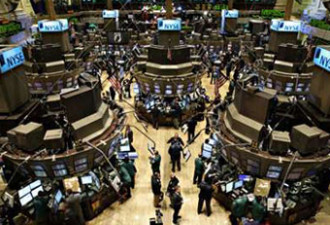
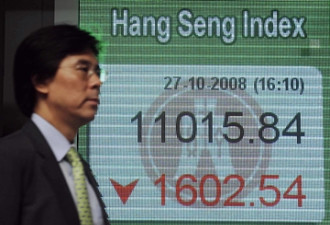
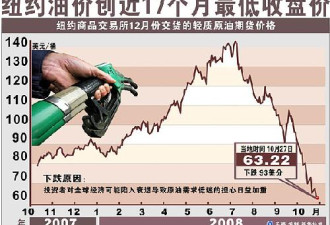
Fed宣布降息后,美国股市29日先是大跌,随即强劲弹升300点,但终场仍下跌75点。美元兑欧元和日圆汇价双双滑落,原油12月期货则暴涨4.77美元,收每桶67.5美元,涨幅7.6%创9月22日来最大单日涨幅。
上次Fed把利率降到1%是在2001年到2003年的降息循环,部分专家事后批评Fed对2001年的衰退反应过度,也太夸大通货紧缩忧虑。那波降息和后来升息太慢,被批评造成美国信用过度宽松,造成房市泡沫并引发今日的金融风暴。
IHS Global Insight公司经济学家贝舒尼推测,必要时Fed会把利率降到0.5%,甚至零利率。他说:「我们正处于暴风眼,因此Fed必须用尽一切办法扭转形势。」
美国史上从未把利率降到零,历来最低利率出现在1958年7月1日调降至0.68%。虽然专家不排除Fed把利率降至零的可能性,但认为即使零利率也可能无助于扭转经济颓势,和打破信用冻结。零利率意味可「免费」向银行贷款,可能引发投机性的投资热潮,为下波泡沫埋下伏笔。
高频经济公司首席美国经济学家薛佛森说:「这次降息附带Fed极悲观的声明,甚至只字未提通货膨胀上扬的风险。」高频预期Fed会在12月16日的会议再降息0.5个百分点。
前Fed理事葛伦里说,当今美国经济最大风险是成长风险,通膨问题已不存在,Fed的声明已开放12月再降息的可能。如果年底前信用市场危机显着趋缓,Fed将按兵不动,反之Fed可能再降利率到0.5%。

Markets: Things will improve, or not
Jeff Sanford
From the November 10, 2008 issue of Canadian Business magazine
The Toronto CFA Society, a non-profit group that supports the educational development of Chartered Financial Analysts, held its 51st annual dinner on Oct. 2. The CFA, of course, is the designation of choice for those hoping to make a living as a portfolio manager, investment analyst or corporate finance executive. And as you might imagine, there are many so-initialled living and working in Toronto. At the end of the workday that Thursday, a herd of Chartered Financial Analysts migrated, mostly on foot, from the Bay Street financial district to the CFA Society soiree in a ballroom at the Sheraton hotel on Queen Street — where they promptly lined up several bodies deep at the bar.
It is CFA holders who are typically the front-line workers when it comes to capital markets. And so the fact that Canada’s benchmark S&P/TSX composite index had plunged a terrifying 613 points that very day was, as you might expect, topic of conversation No. 1.
To the credit of the profession, no one at the dinner seemed unduly concerned. (No one was visibly sobbing, anyway.) And, in fact, most seemed to have events well in hand. And why wouldn’t they? Part of this job is understanding the natural cycle of boom and bust, and the ability to deal with bear markets is a key skill in this profession. Let’s not forget, either, that the dinner has been held through eight recessions since its founding, and the CFA Society is still thriving. So, some perspective, please. Still, the question on everyone’s mind that evening was, When will this financial crisis pass?
The answer fell to Myles Zyblock, chief institutional market strategist with RBC Capital Markets, who was chosen to deliver the annual Fearless Forecast, a hallmark of this dinner and a much-anticipated event on Bay Street. So with the pressure on, Zyblock hit the stage in an exuberant mood and proffered many graphs and charts to explain just what the hell has been going on in stock, bond and commodity markets.
Zyblock warned early in his presentation that the global slowdown will deepen over the next six to nine months. “Every indicator says this is going to get worse before it gets better,” he said. The reason for this, Zyblock explained, can be found in the tight correlation between the credit ratio (a number that captures the amount of household debt in relation to the larger economy) and asset prices. Not surprisingly, when total credit in the economy is expanding, asset prices climb. Conversely, as we see credit contract, we might expect asset prices to do the same. Consider the S&L crisis of the late 1980s, which, according to Zyblock, is our “best worst-case scenario.” When the credit ratio sank, commercial real estate prices took a big hit and six years of sluggish economic growth followed.
Zyblock went on to predict that headline inflation in the U.S. will fall to below 1.5% next year as the unwinding of creditleads to general deflation, and that S&P 500 earnings will be down 9% this year and 7% next as a result.
On the bright side, even though earnings will be down, stock markets generally begin moving up nine months before earnings improve at the end of a recession. And that fact suggests that if home prices stabilize, we could actually see the stock market rising by the end of next year. Zyblock’s big prediction of the night was that the S&P 500 would actually be up 11% by this time next year — and that the S&P/TSX composite index would be up 5%.
There is a lot of cash piling up on the sidelines, says Zyblock, and that will eventually fuel a rally. (He’s watching leading indicators like the ISM manufacturing index for a sign as to when we’ve hit bottom. “These are the things that will tell us when it’s time to put risk back into the portfolio,” says Zyblock.)
But he was also careful to check that optimism, and near the end of his presentation displayed a graph that showed the difference between historical forecast estimates of S&P 500 returns and actual returns. The graph made clear an unsettling point: At big turning points like this, expert opinion is actually not that good at predicting stock market performance. In fact, it’s pretty bad. So Zyblock hedged his call a bit, observing prudently, if not a bit facetiously, that, “At this time next year we could or could not be in recession, fighting inflation or deflation, and may or may not be in a bull or bear market.” Knowing glances all around.
回复

要学小日本?20年前小日本就干过零利率,结果到现在还没爬起来。
回复


网友评论