


服务
华裔屋主缺知识不愿测 超标氡气能致癌
氡气是已知的本国第二大肺癌成因。不过﹐一名注册验房师担忧﹐也许是因为缺乏这方面的认识﹐安排为房子测量氡气的华裔业主很少﹐恐怕有些人可能因此生活在氡气超标的环境之下而不自知﹐以致危害到本身及家人的健康。注册验房师秦强(Johnson Qin)大约在一年半之前开始提供测量氡气的服务﹐但至今使用这服务的客人不多。
据现行适用的指引﹐氡气浓度超过每立方米200贝可属于超标水平﹐对健康构成潜在危险﹐需要采取措施来把浓度调低。
幸运的是﹐他历来在大多伦多地区为客人所提供的测量都未有发现氡气超标的情况。他透露﹐曾经为一名在旺市购买了百万元住宅的客人测量﹐得到的读数是89贝可。另一位客人是孕妇﹐在士嘉堡购买了房子后委托进行测量﹐所录得的氡气浓度是130贝可。
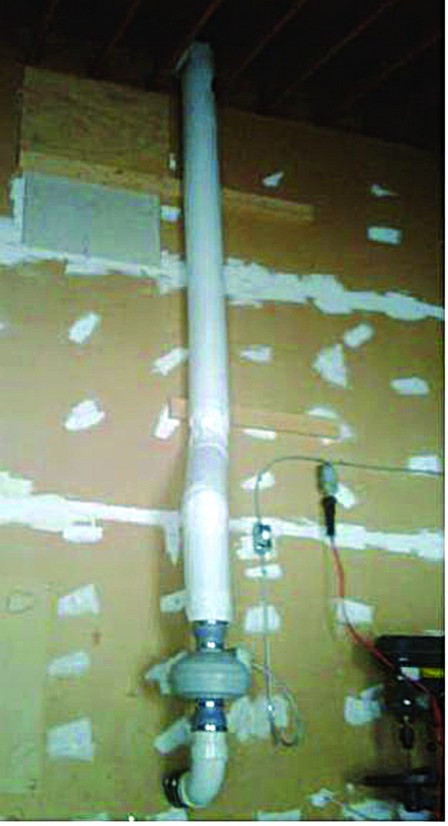
土库内的纾缓装置。(业主氡气指南)
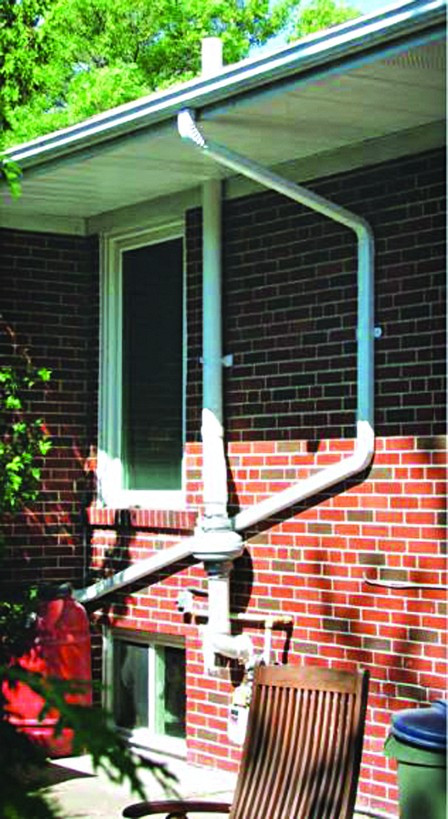
设于外墙的纾缓装置。(业主氡气指南)
秦强说﹐加拿大卫生部的资料显示﹐在同一地区之内﹐户内氡气的浓度个别房屋都不相同﹐所以虽然安省及大多伦多地区的超标率不高﹐但大家都不应掉以轻心。
秦强表示﹐值得留意的是以上所提及的两类客人。其一是用超过100万元来购买房子的业主﹐很可能会在新居住上5年﹐另一是准母亲﹐担心到将来孩子的健康﹐他们花两三百元来测量氡气﹐便可以求个安心。
据了解﹐氡气主要出现在土库﹐由土壤及地基的裂缝传入。在华人的社群﹐不少的土库会用作自住或出租。秦强则指出﹐目前一般人都会把土库装修成为娱乐室或健身室﹐而且偶然也会招待到访的亲友留宿﹐因此实在不宜有意无意之间忽视氡气的潜在危险。
他表示﹐不清楚在华裔社群中有多少验房师提供测量氡气的服务﹐但估计为数不多﹐可能会有2至3人。他指出﹐如果确定超标﹐便需要进行一些工程来将氡气的浓度降低﹐费用因屋而异﹐大概是2,000至3,000元﹐成本主要是技术及劳力﹐因为需要聘用专业人员。
他最后强调﹐如果想求个安心﹐如果要保障家人的健康﹐唯一方法是透过测量才能弄个明白﹐才可确定本身日常生活的环境中氡气没有超标﹐不会有致癌风险。

自己如何检测氡气
氡气是一种无色、无味具有放射性的惰性气体。正因为它的这些特性,人体器官无法感觉到它的存在。但是,它具有放射性,会对人体产生危害。
关于氡气是如何产生的,以及它的危害,我曾写给系列文章,可查阅http://proenbiotest.ca/xiangguanwenzhang.php。 大家也可以Google 搜索一下,网上有很多这方面的资讯。
知道了氡气及其危害,接下来很自然想到的一个问题是,如何检测。
先来看看权威部门--------加拿大联邦卫生部,是怎么说的。
联邦卫生部网站上说(http://www.hc-sc.gc.ca/ewh-semt/radiation/radon/testing-analyse-eng.php ),居民可以让专业人员上门检测氡气或自己做检测。
让专业人员上门检测,当然省事,但不省钱。比如我是联邦卫生部认可的氡气检测专业人员,我上门服务要收取服务费,再加上检测的费用。
那么自己做呢?省钱。
自己做氡气检测,关键是要拿到检测氡气的探测器。
得到探测器的途径有这么几条:
到店里买。The Home Depot 有卖。 $13.99+TAX (这是我在2015-11-25查到的价格),便宜。但请注意,您付这么点钱还无法知道家里的氡气数值。需要把探测器寄回实验室,同时再寄上检测费,才能得到报告。至于检测费用,我所知道的是在2013年的检测费, $30.00。 所以总的费用是,$13.99+13.99*0.13+30.00+邮寄费,50多刀吧。
网购。大家可以上这个网站: http://www.radiationsafety.ca/community/home-radon-testing, 网上付$ 55.00+TAX, 即 $62.15 ( 这是我在2015-11-25查到的价格),他们就把设备寄给你。检测完后,再寄回去,然后他们再把报告EMAIL给你。所以总的费用是,$62.15+邮寄费,70 多刀吧。
不用邮寄得结果。
先说明一下,上面两条途径得到的设备是不一样的。 东西不一样,价钱也有差别。
上面两条途径的共同点是,你必须把设备邮寄回实验室。
理想情况是,实验室就在你家隔壁,你走过去租个探测器回家,检测结束了再送回去分析,省了邮寄费,减少了中间环节,把外界影响因素降到了最低。
ProEnBioTest Inc. 服务于多伦多及周边地区,工作人员是联邦卫生部认可的氡气检测专业人员。 打电话与我们见面(416-818-3930),然后得到和第二条途径一样的探测器,检测完后交到我们手上,48小时内EMAIL结果。所有费用是$50.00+TAX, 即$56.50.
关于氡气检测的费用,联邦卫生部网站上也有说明,$50 to $100 (这是我在2015-11-25 查到的信息)。政府呼吁居民检测家中氡气浓度,费用也不高,让大家都做得起。
回复

租个仪器自己测。
回复

忽忧眼球,
氡气很难从地库地下的土壤里钻进室内。
而且华人的快速现场测量方法100%不准,纯忽忧!
How to Test for Radon?http://www.hc-sc.gc.ca/ewh-semt/radiation/radon/testing-analyse-eng.phpRadon testing is relatively simple and inexpensive. Radon test devices canbe purchased by phone or over the internet and are available at some homeimprovement retailers across Canada. For more information on do- it-yourselfradon test kits contact Health Canada's Radiation Protection Bureau at [email protected] 613-946-6384.You can also hire a certified radon measurement professional to come andtest your home. Health Canada recognizes the Canadian certification program, http://www.c-nrpp.ca/CanadianNational Radon Proficiency Program (C-NRPP) 1-855-722-6777.Lists of certified Canadian measurement and mitigation professionals areavailable through the http://www.c-nrpp.ca/CanadianNational Radon Proficiency Program.
The most popular long term radon detectors are the electret ion chamberand the alpha track detector. These devices areexposed to the air in a home for a specified period of time, and then sent to alaboratory for analysis. Radon is measured in units called"becquerels per cubic meter" (Bq/m?). It is not uncommon to see radonlevels in a house change by a factor of two to three or more over a one-dayperiod. Seasonal variations can be even more dramatic with the highest levelsusually experienced during the fall and winter months when air circulation andventilation is decreased. Since the radon concentration inside a home varies overtime, measurements gathered over a longer period of time are generallyconsidered to give a more accurate picture of the radon exposure. Health Canadarecommends that homes be tested for a minimum of three months, ideally duringthe winter months as the radon concentrations are usually representative atthis time.When conducting the radon test yourself observe the manufacturer'sinstructions and the guidelines below when placing a radon detector in yourhome:
Make the measurement in the lowest lived-in area of your home. By lived-in we mean; where you or a member of your family spends more than 4 hours per day in that area.Avoid taking measurements in the kitchen. The exhaust fan as well as humidity and airborne particles from cooking may affect the accuracy of some types of radon detectors. Also, avoid bathrooms since relatively little time is spent in this room.Place the detector where it will not be disturbed during the measurement period but avoid small enclosed areas, such as a cupboard or closet.Do not place the detector close to an outside wall or near a sump or floor drain.Avoid locating the detector in drafts from heating or air conditioning vents, near windows or doors, or sources of heat, such as stoves, fireplaces or strong sunlight.Place the detector a minimum of 50cm from any floor, wall or ceiling and more than 20cm from other objects.Health Canada has developed standard protocols for radon http://www.hc-sc.gc.ca/ewh-semt/pubs/radiation/radon_homes-maisons/index-eng.phptesting in homes, http://www.hc-sc.gc.ca/ewh-semt/pubs/radiation/radon_building-edifices/index-eng.phpschools and other large buildings. Theseprotocols provide detailed instructions and guidance to radon testing companiesand homeowners on how to perform a radon test. Health Canada recommends thathomes be tested for a minimum of three months, ideally in the fall / wintertimeframe. The cost of radon testing is approximately$50 to $100.As part of the National Radon Program, Health Canada has completed a http://www.hc-sc.gc.ca/ewh-semt/pubs/radiation/survey-sondage/index-eng.phpCross-Canada residential radon survey in aneffort to gain a better understanding of radon concentrations in homes acrossCanada.
回复

重要信息
回复





网友评论