


去年第四季度加拿大经济增长1.7% 全年3%
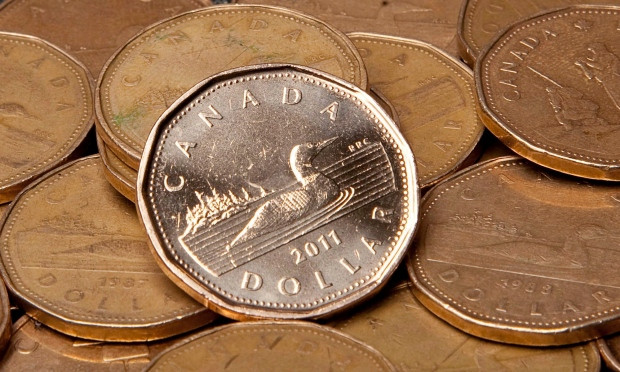
根据联邦统计局今天发布的数据,去年第四季度加拿大经济增长率为1.7%,略高于第三季度的1.5%,但低于第一和第二季度的增长率,分别为4%和4.4%。2017年全年经济增长率为3%,远高于2016年的1.4%。
统计局表示,实际上他们对去年前三个季度的增长率均进行了调整,其中第一季度从3.7%调升为4%;第二季度从4.3%调整为4.4%,而第三季度则从1.7%调低为1.5%。
从2017年全年来看,20个行业中有18个表现为增长。而从产品制造业和服务业两大类来看,去年均呈增长势头。
2017年产品制造业按年增长4.6%,其中自然资源开采业更增长7.8%。而前两年产品制造业均有萎缩,其中2016年萎缩0.5%,2015年更萎缩1.7%。
2017年服务业按年增长2.8%,为2011年以来的最高增幅。

GDP 3% 全托了土豆碳税,退休税,和高额电费的福,但通过这种方法增加的GDP是虚的,没有任何含金量,根本支持不了股市这个资本市场的上升。加拿大股市告诉了真实的加拿大经济,即:全球最差之一,更是发达国家中最差者。这就是现实。GDP 的数据得不到股市市场的证明回应,说明GDP 数据是虚的,甚至就是假的。
回复

第一季度和第二季度的高增长应该是靠房地产吧。第三季和第四季连一半都不到。2018会更惨。
回复
加拿大楼市大跳水,股市大跳水,感觉GDP 应该是 负3% ,这个应该是实际 的DGP
回复

自由党CBC的原文消息不可信,这个才是真相:
https://www.bloomberg.com/news/a ... xpected-in-2nd-half
And the data not only show the slowdown is underway, which was expected, but an economy that isn’t even growing above its so-called potential growth level.
That’s a surprise since most economists were expecting Canadian growth would continue to run slightly above its noninflationary speed limit for at least another year, leading to price pressures that would prompt the Bank of Canada to keep lifting interest rates.
“With trade uncertainties mounting and inflation still reasonably well behaved, this gives the Bank of Canada plenty of leeway to stay cautious,” Doug Porter, chief economist at Bank of Montreal, said in a note to investors. “We continue to expect the Bank to move to the sidelines until the second half of this year.”
The Canadian dollar is tied with the Mexican peso as the worst performing major currencies over the past month, and is one of the worst performing over the past six months. The dollar was little changed after the GDP report, after falling as low as 0.4 percent earlier in the day.
What may be worse is that fourth-quarter GDP figures were exaggerated by temporary factors in housing. Spending on residential structures surged in the last three months of 2017 to an annualized 13.4 percent, the strongest quarterly increase since 2012. The gain was led by stronger-than-expected new home construction, and as buyers rushed to get ahead of tighter mortgage qualification rules that came into effect Jan. 1.
The increase in residential spending was responsible for 1 percentage point of the 1.7 percent growth rate, Statistics Canada said. Residential investment had been a drag on growth the previous two quarters.
The second-half slowdown was driven in large part by household spending, with consumption growth in the fourth quarter at the slowest pace since 2016. That was due in part to a higher saving rate, which increased to 4.2 percent in the fourth quarter, from 4 percent in the third quarter.
回复

土豆每年借款200亿,都送给恐怖分子和同性恋,GDP一下子就上去了。
回复

看看下周央行敢不敢涨息就知道有多少水分了。
回复
查看全部 8 条评论
查看全部 8 条评论


![[集市好物]沙发、椅子3个、伸缩桌子1个](https://storage.51yun.ca/market-product-photos/86cd5737-4605-462b-a20c-2b9959d5fd52.1080x810.jpg)
![[集市好物]沙发、椅子3个、伸缩桌子1个](https://storage.51yun.ca/market-product-photos/76104e08-2683-4e76-98cb-fcb5c2915b5b.1080x1440.jpg)
![[集市好物]沙发、椅子3个、伸缩桌子1个](https://storage.51yun.ca/market-product-photos/19f50b5d-edee-4fb2-9f76-546dd3ef5d99.1080x1440.jpg)
![[集市好物]沙发、椅子3个、伸缩桌子1个](https://storage.51yun.ca/market-product-photos/45daa868-b43c-4fbb-9eff-912b28bad317.1080x1440.jpg)








网友评论